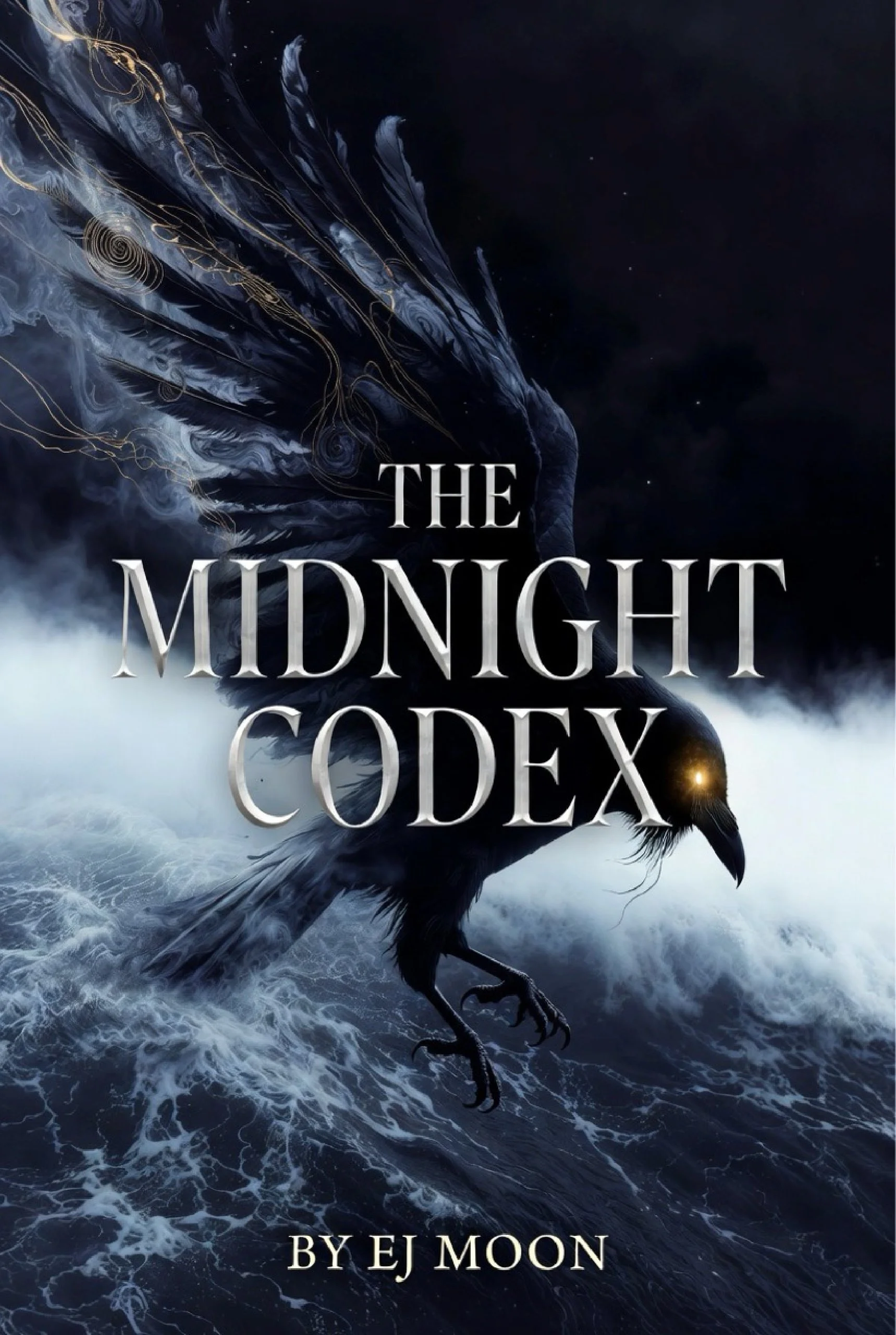
The Midnight Codex is a spellbinding Young Adult gothic fantasy novel that pulls readers into the fog-wrapped world of Veylthorne, where gods barter in silence, ancient myths breathe, and a reclusive scribe named Abigail Avenmore stumbles upon a relic that was never meant to be found. When a fragment of the legendary Midnight Codex surfaces in her desk drawer, Abigail is thrust into a web of divine intrigue, shadowy watchers, and visions she cannot explain — and the line between myth and reality begins to dissolve. Rich with atmospheric prose, layered characters, and a Lynchian sense of creeping unease, E.J. Moon's debut novel is perfect for fans of dark academia, mythic fantasy, and stories where beauty and dread are inseparable. The Midnight Codex lingers long after the final page — haunting, gorgeous, and impossible to put down.
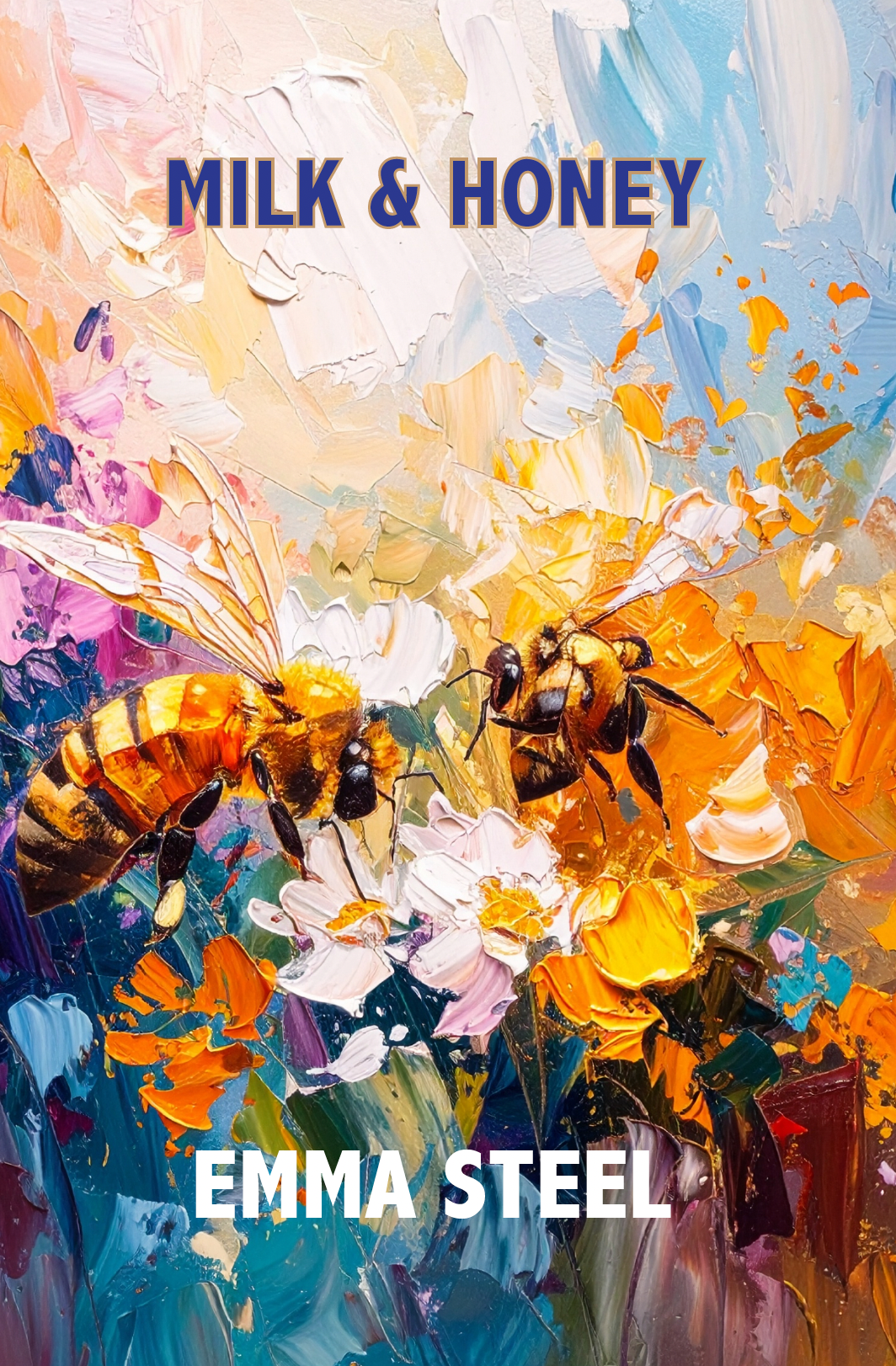
Milk & Honey is a rich and fearless tapestry of light and shadow, myth and memory, tenderness and truth. Drawing on everything from ancient Greek mythology to the quiet comfort of a sleeping cat, Steel weaves an eclectic blend of poems that move effortlessly between the personal and the universal. Whether she is confronting grief, celebrating chosen family, raging against greed, or simply marveling at a winter morning, her voice is always intimate, always honest, and utterly her own. This is poetry for anyone who has ever searched for beauty in difficult places — and found it.
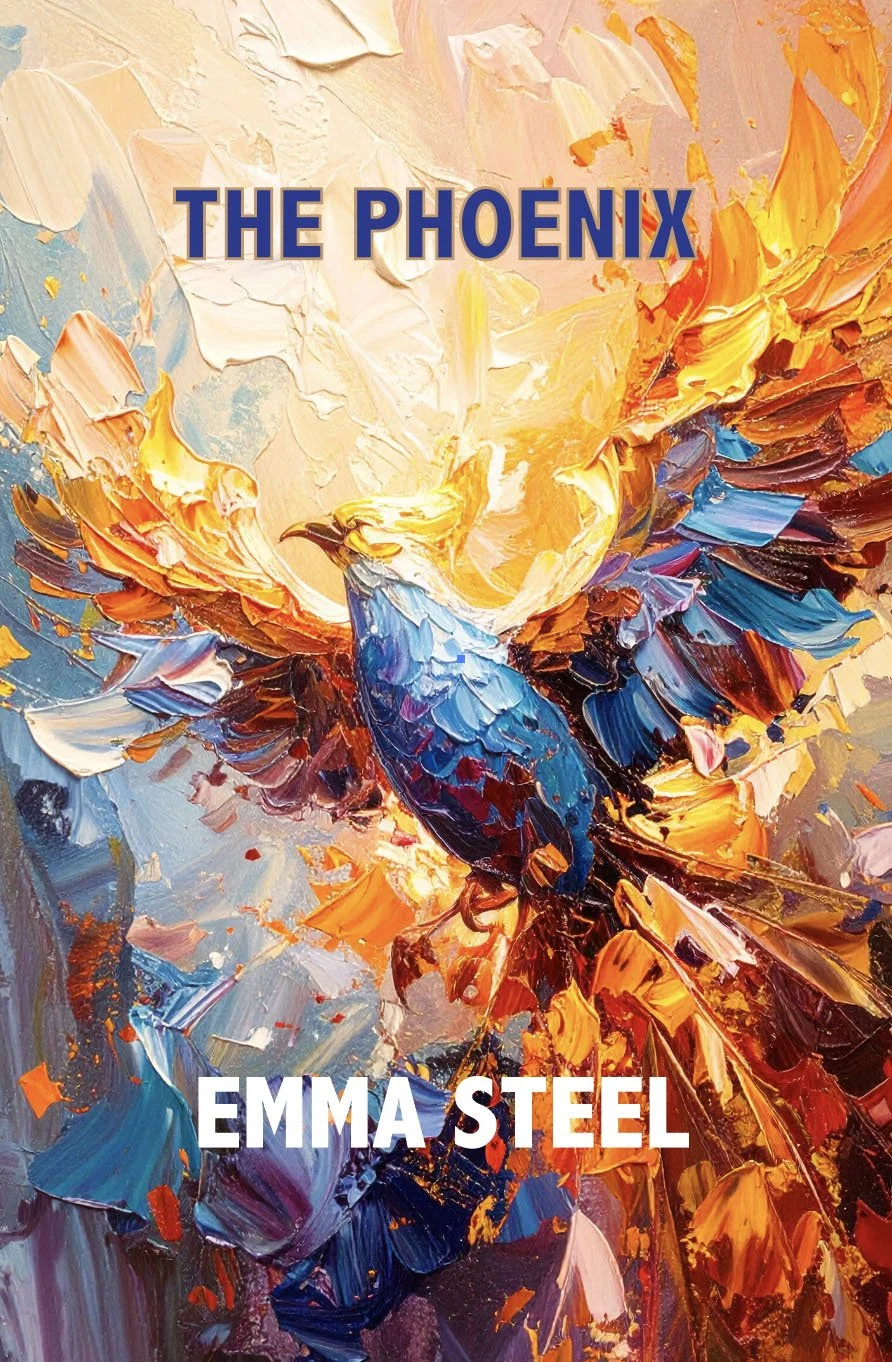
The Phoenix is the latest poetry collection from Emma Steel, a Devon-born writer whose distinctive voice blends the lyrical and the unflinching. Drawing on memory, mythology, the natural world, and the sharp edges of modern life, these poems move fluidly between tenderness and darkness — from the fragile beauty of frost flowers and winter light to unflinching meditations on war, loss, shame, and survival. Steel's range is striking: one poem lingers over the quiet devotion of a sleeping cat, the next confronts the moral failures of a world that has turned conflict into entertainment.
What unites this eclectic collection is Steel's gift for imagery that feels both intimate and universal. Her poems speak to anyone who has loved imperfectly, grieved quietly, or searched for goodness in uncertain times. With a voice at once wry and compassionate, The Phoenix confirms Steel as a poet unafraid to sit with difficult truths — and equally unafraid to find beauty there.
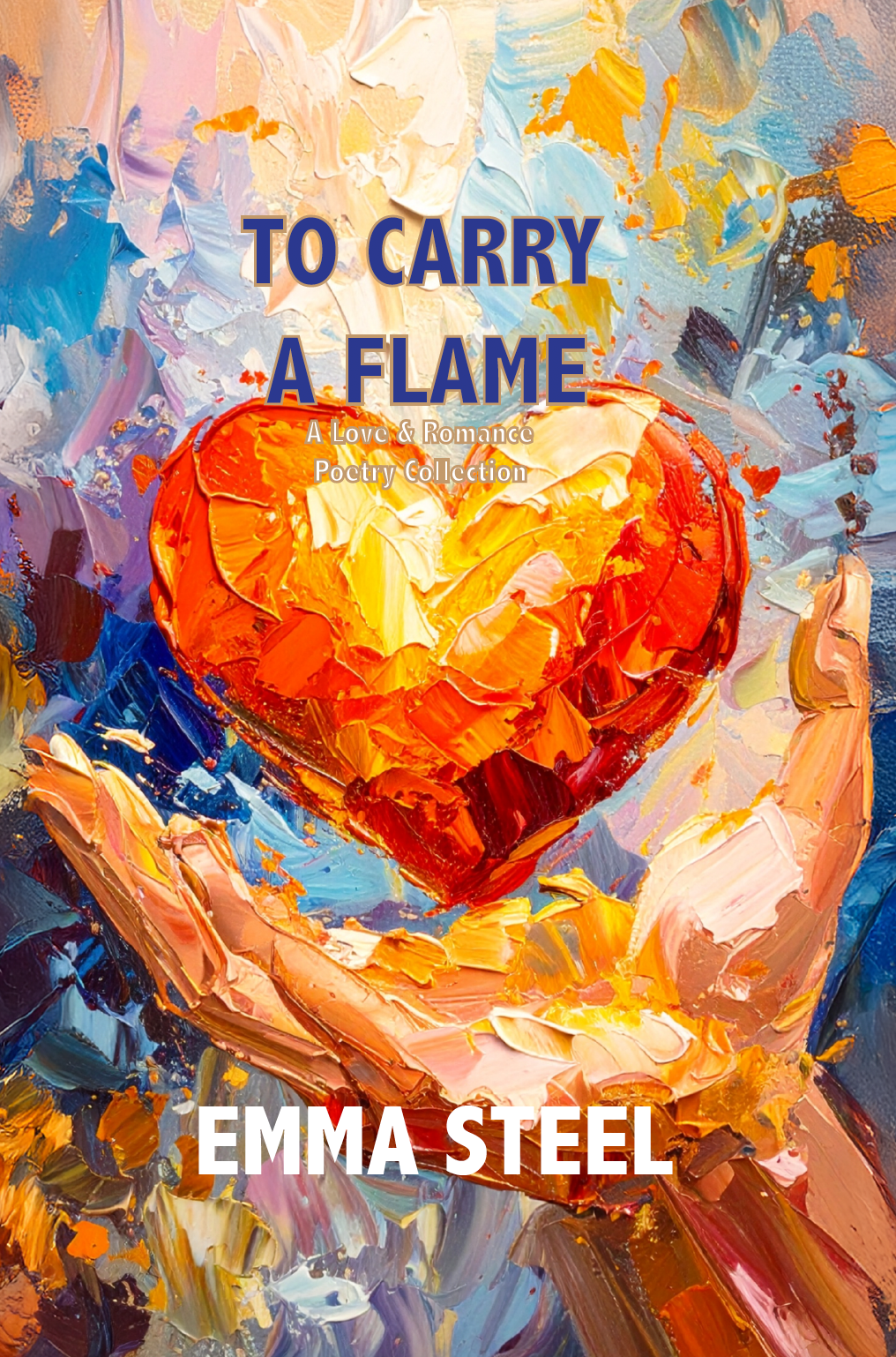
Love arrives like a whisper in the dark—soft, electric, and impossible to ignore. In these pages, hearts open with trembling hope, discovering the kind of passion that rewrites destinies and makes ordinary moments sacred. But love is a fragile flame, and even the brightest fire can falter when shadows creep too close. As devotion turns to distance and longing lingers in the silence left behind, each poem traces the exquisite ache of holding on and letting go. This is a journey through the beauty of surrendering to love—and the haunting echo it leaves when it slips through your fingers.
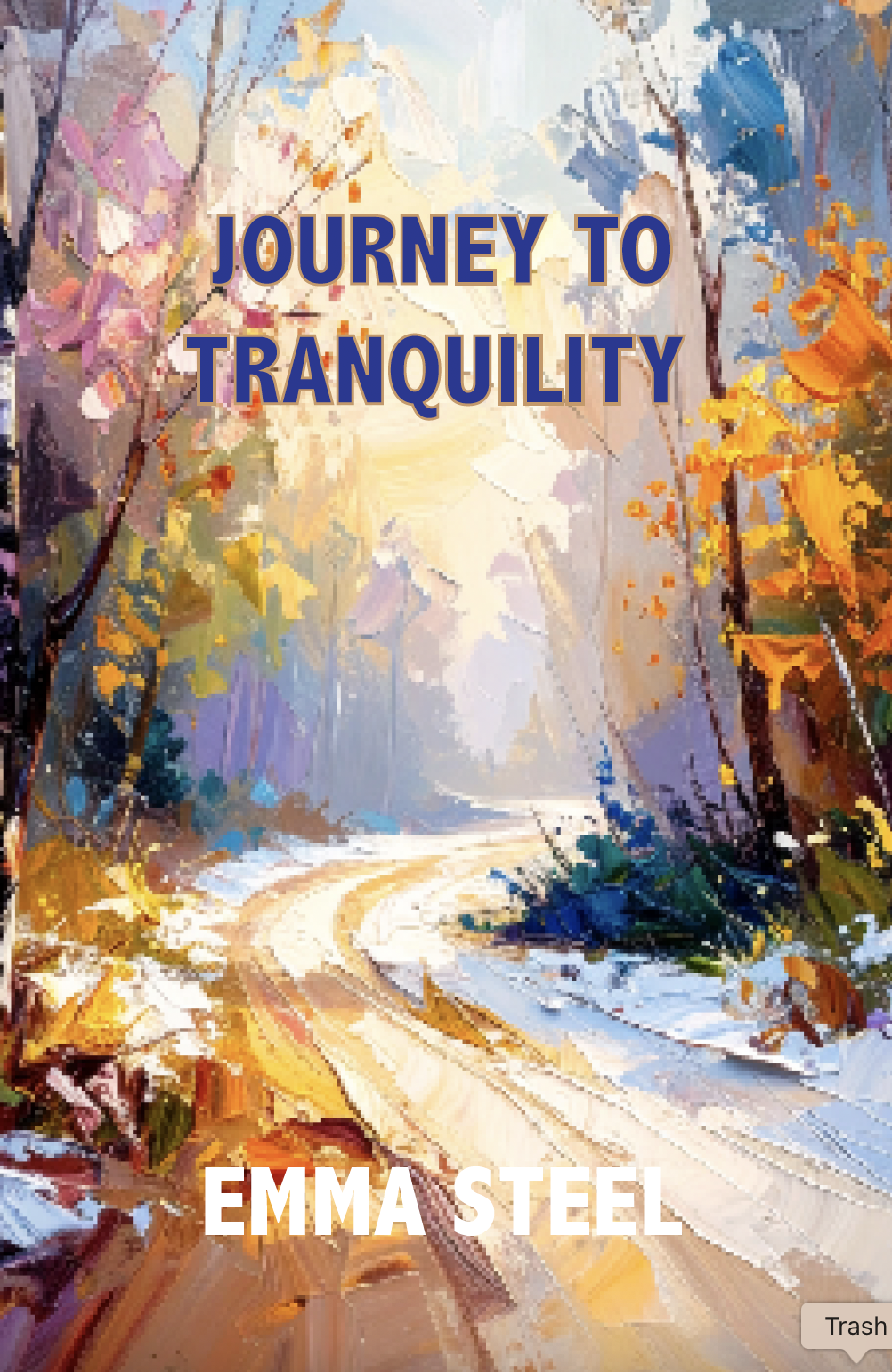
Journey to Tranquility is the third poetry collection from Emma Steel, and it confirms her as a poet of remarkable range and wit. Moving from the mordant wit of "False Knowledge" and the domestic comedy of "Yards" to the raw ache of longing in "Please Take This Knife" and the witchy menace of "The Sabbat," Steel navigates the full spectrum of human experience with ease and intelligence. Her poems find the extraordinary in the everyday — a protesting lawnmower, a morning coffee, the slow creep of winter light — and turn them into something that lingers long after the page is turned.
What distinguishes Steel's voice is her refusal to settle into a single register. Journey to Tranquility is by turns funny, tender, fierce, and elegiac, sometimes within the same poem. The collection's title promises arrival, but the journey itself is the point — through seasons, through grief, through wonder, through the small rebellions of ordinary life. For readers who found their way into Steel's world through The Phoenix, this collection deepens the conversation; for those discovering her for the first time, it is an irresistible invitation.
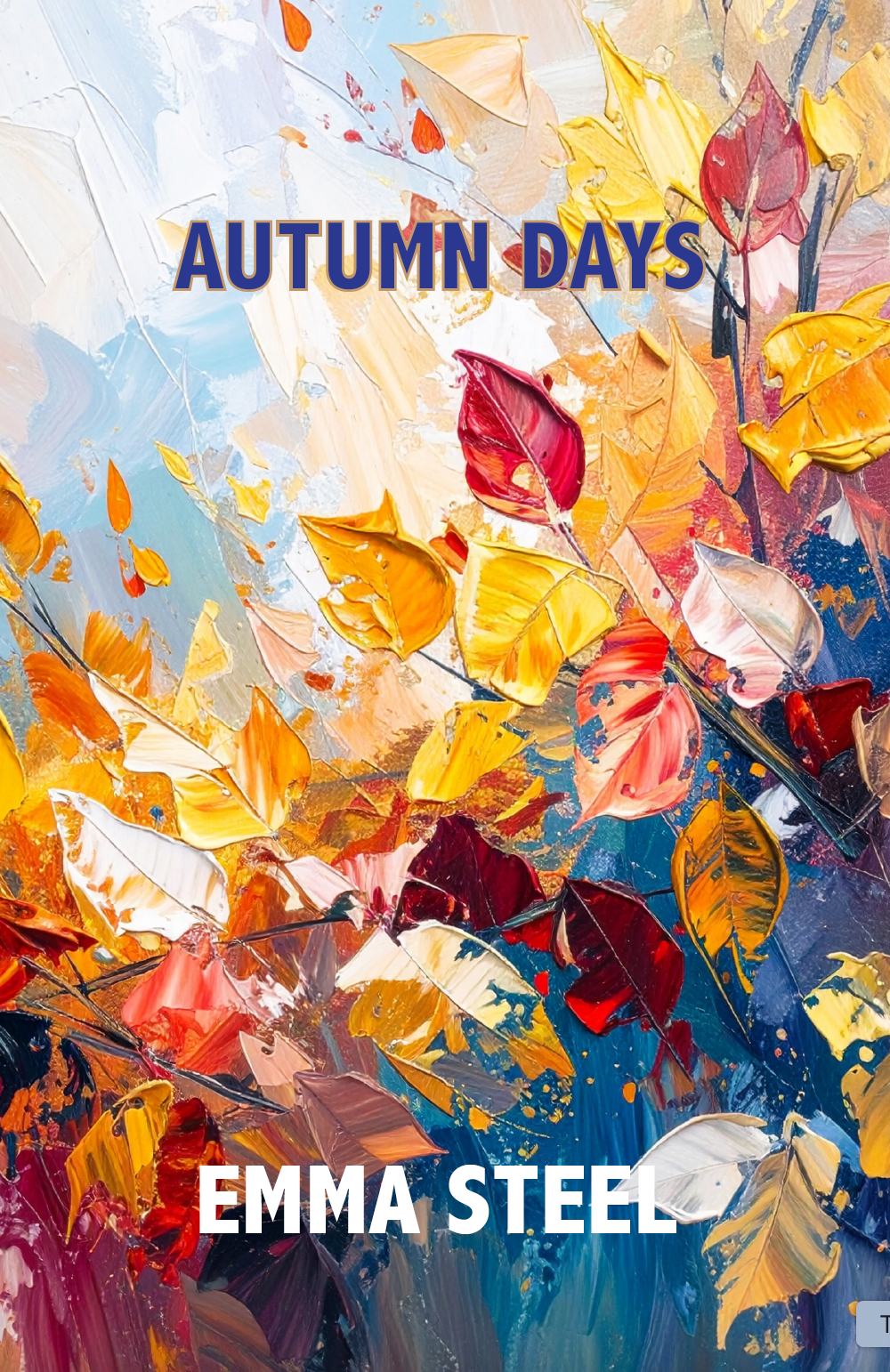
Autumn Days is the fifth poetry collection from Emma Steel, and it may be her most richly atmospheric yet. Rooted in the textures and moods of the turning year, bonfires and harvests, ghosts and graveyard stillness, the slow burn of memory, Steel moves through her signature blend of the lyrical and the unsettling with the confidence of a writer fully in command of her craft. From the Gothic menace of "Gothic Dinner" and the spell-casting imagery of "Bonfire" to the wry self-awareness of "A Little Bit of History Repeating," the collection pulses with a sense of the world thinning at its edges, where the living and the spectral brush shoulders.
Yet for all its darker currents, Autumn Days is equally a collection about resilience, memory, and the stubborn persistence of beauty. Steel finds grace in the ordinary, neighbors, cashmere and cranberries, the welcome of a familiar home, and sets it alongside her keener, more searching poems about freedom, loss, and the passage of time. Readers who have followed Steel's journey from Journey to Tranquility through to this fifth volume will find her voice deepened and enriched; those arriving here for the first time will find an ideal entry point into one of the most distinctive poetic sensibilities writing today.

Softness Comes with Light, the sister work to Hard is the Darkness, is Emma Steel's love letter to all the things that make the darkness bearable. Where its companion volume maps the terrain of pain and struggle, this collection turns toward warmth, wonder, and the quiet abundance of a life attentively lived. From the tender intimacy of "Saving Heartbeats" and the playful domestic joy of "Cat Play Time" to the sweeping natural imagery of "The Ocean and the Land" and the devotion woven through "You Are My Air," Steel demonstrates that writing about light and love with honesty and without sentimentality is its own kind of courage.
Yet this is no simple celebration. Steel's eye remains sharp throughout, and even her most tender poems carry an awareness of what they are hard-won from. Joy here is not naive; it is chosen, deliberately and with full knowledge of the alternative. Read alongside Hard is the Darkness, Softness Comes with Light completes a conversation that is one of the most emotionally honest in Steel's body of work, a reminder that the two states are not opposites but companions, each giving the other its full meaning. Together, the two volumes form an essential pairing for any reader who has ever needed permission to feel both.

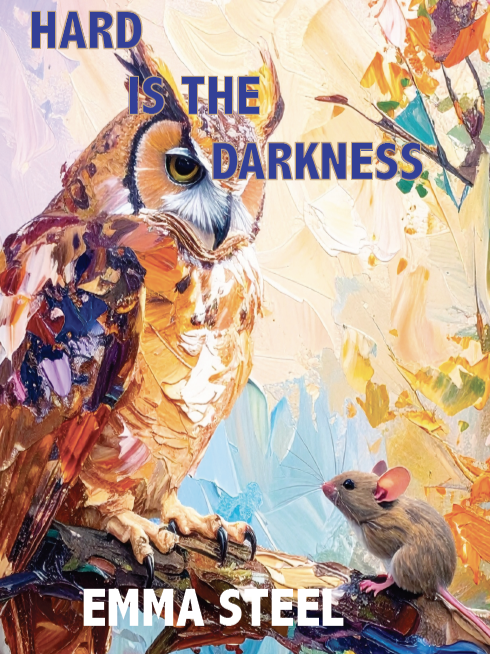
Hard is the Darkness, the sister work to Softness Comes with Light, is Emma Steel at her most unflinching. This is a collection that looks steadily into the harder corners of human experience, tracing the terrain of pain, doubt, grief, and the kind of exhaustion that goes deeper than the body. From the raw honesty of "When the High is Still Too Low" to the gothic menace of "The Hanged Man's Song" and the quiet determination of "I Will Rise," Steel writes about darkness not to wallow in it but to map it, to name it, and in doing so, to loosen its grip. These are poems for anyone who has spent time in that difficult country and needed to know they were not alone there.
Yet even here, in her most shadow-drenched collection, Steel's wit and her eye for the absurd never entirely desert her. "Was Shopping Ever Such an Odyssey?" and "My Ghoul Friend" remind us that humor and darkness are not opposites, and that sometimes laughter is the most honest response to an impossible situation. Read alongside its companion volume, Softness Comes with Light, Hard is the Darkness forms one of the most emotionally complete and courageous works in Steel's growing body of poetry, a testament to the belief that naming what hurts is the first step toward surviving it.
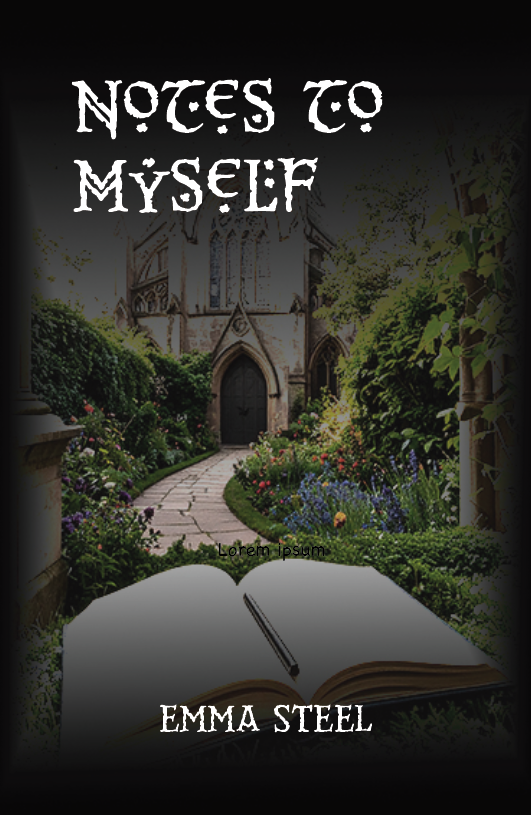
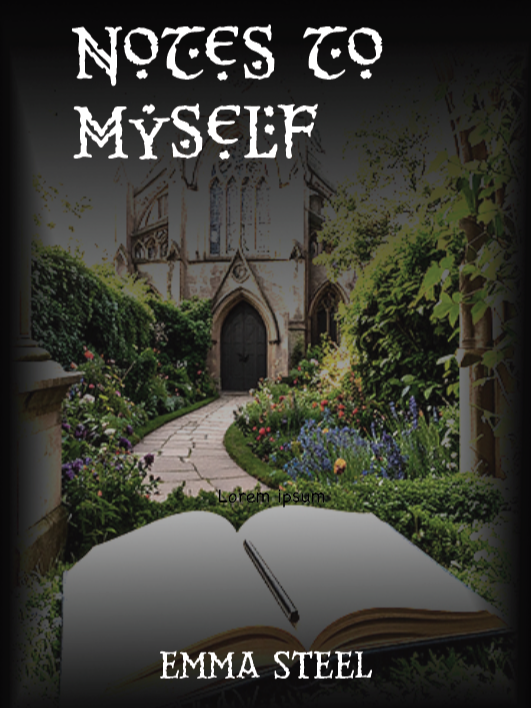
Notes to Myself is the debut poetry collection from Emma Steel, and it announces a voice that is by turns fierce, tender, funny, and searingly honest. From the opening poem's unflinching examination of the cost of conformity to the warmth of "Whether" and the wry English nostalgia of "Breakfast," Steel moves effortlessly between the profound and the everyday, finding meaning in both without straining for it. These are poems that feel genuinely personal, as though written in the margins of a life fully lived, yet they speak to experiences that are entirely universal: self-doubt, longing, resilience, and the slow, necessary work of becoming oneself.
What makes this debut so compelling is Steel's refusal to be pinned down. She can pivot from gothic menace to gentle humor within a single page, and her imagery, whether a muffin floating in butter or a warrior suiting up for a trip to the grocery store, is always surprising and entirely her own. Notes to Myself lays the foundation for a body of work that grows richer with each subsequent collection, and for readers discovering Emma Steel for the first time, it is the perfect place to begin.
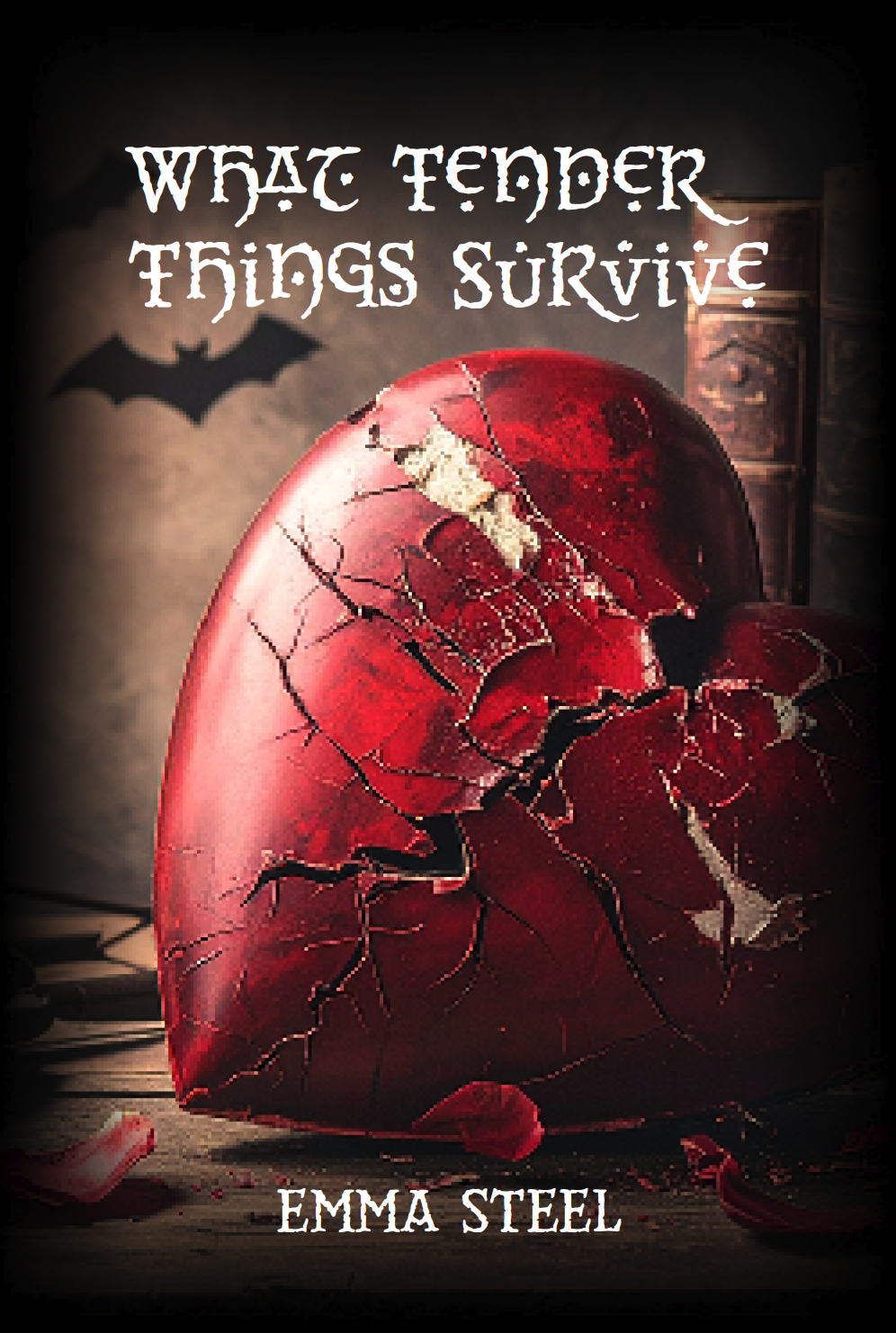

What Tender Things Survive is the second collection from Emma Steel, and it builds on the promise of Notes to Myselfwith a deeper, more searching examination of what it means to endure. From the exquisite economy of "An Unwelcome Visitor," in which Death is politely put off until she can adjust her schedule, to the raw vulnerability of "Rider in the Night" and the mythic longing of "Isle of Apples," Steel continues to demonstrate her remarkable gift for moving between registers without ever losing her footing. These are poems about resilience, grief, love, and the quiet daily act of choosing to keep walking, one foot in front of the other.
Yet Steel never lets the weight of her themes overwhelm the delight she takes in language and surprise. "Garden Theft" turns a deer's raid on the raspberry patch into something both furious and hilarious; "Isle of Apples" sets Arthurian legend alongside a clock-punch at the end of a work shift. It is this ability to hold the profound and the playful in the same hand that makes Steel's voice so distinctive and so rewarding. For readers who began the journey with Notes to Myself, this second collection deepens the conversation considerably; and its title alone, What Tender Things Survive, is a quiet promise that beauty and feeling persist, however much the world conspires against them.
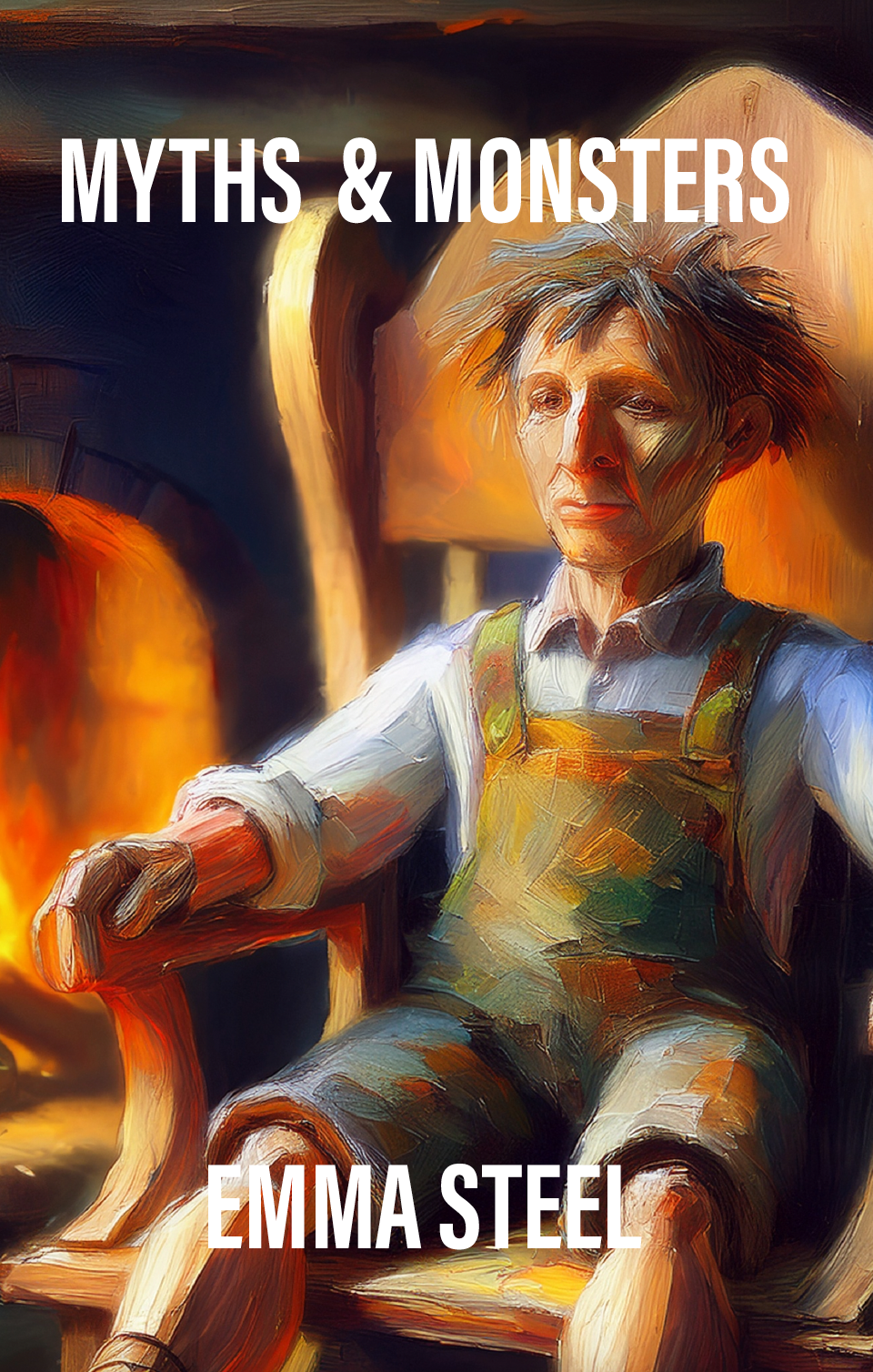
In her debut short story collection, Myths & Monsters, Emma Steel takes the familiar scaffolding of fairy tales, folklore, and myth and dismantles it from the inside out. From a darkly reimagined Pinocchio haunting the Black Forest to a tooth fairy whose ambition curdles into something grotesque, Steel's stories inhabit the space where the whimsical and the deeply unsettling collide. Divided into two sections, Myths and Monsters, the collection asks a pointed question: what separates the legendary from the monstrous, the story we tell ourselves from the truth lurking beneath it?
Steel's prose is precise and atmospheric, conjuring worlds that feel at once ancient and utterly contemporary. Her characters, whether mythological creatures navigating workplace politics or gods adrift in a modern world, are driven by achingly human desires: the hunger for recognition, the weight of legacy, the cost of ambition unchecked. Myths & Monsters marks the arrival of a bold and original storytelling voice, one that finds new darkness in old stories and new meaning in the shadows we've always been afraid to examine too closely.
No results match your search. Try removing a few filters.